
Effective judgment collection alternatives for 2026
Discover proven judgment collection alternatives that help creditors recover uncollected civil judgments in 2026, including liens, garnishment, and selling options.
Great Lakes Strategic Capital
Great Lakes Strategic Capital

Winning a civil judgment feels like a victory, but nearly 80% of civil money judgments remain uncollected. The court ruling is just the beginning. Effective enforcement requires strategic action, knowledge of collection tools, and realistic expectations. This article explores proven alternatives that judgment creditors can use to maximize recovery in 2026.
Table of Contents
- Understanding Why Judgment Collection Often Fails
- Core Judgment Collection Alternatives and How They Work
- Strategies to Maximize Judgment Recovery Success
- Navigating Legal Protections and Judgment Collection Limits
- How Great Lakes Strategic Capital Supports Judgment Creditors
- FAQ
Key Takeaways
It is essential for judgment creditors to understand the following points to enhance their collection efforts:
| Point | Details |
|---|---|
| Most judgments fail without enforcement | Court rulings alone do not guarantee payment; creditors must actively pursue collection using legal tools. |
| Multiple collection methods exist | Liens, wage garnishments, bank levies, and asset executions offer different paths to recovery. |
| Post-judgment discovery is essential | Identifying debtor assets and income sources determines which collection methods will succeed. |
| Legal protections limit some tactics | Federal and state exemptions shield certain income and assets from collection efforts. |
| Professional support improves outcomes | Structured plans and expert guidance reduce procedural errors and accelerate recovery. |
Understanding Why Judgment Collection Often Fails
Most civil judgments remain uncollected because creditors take no enforcement action after the court ruling. Winning in court establishes legal liability, but judgment collection depends on what happens after the ruling, not on the ruling alone. Without follow-up, debtors simply ignore the judgment.
Assets often go unidentified, which halts collection before it starts. You cannot seize property you do not know exists. Post-judgment discovery tools like interrogatories, subpoenas, and information orders help uncover bank accounts, employment details, real estate holdings, and business interests. These debtor asset identification methods transform abstract judgments into concrete recovery opportunities.
Procedural pitfalls also derail collection efforts. Missing filing deadlines, using incorrect forms, or failing to properly serve documents can invalidate enforcement attempts. Courts dismiss improperly executed garnishments and levies, wasting time and money.
“Judgment enforcement requires treating collection like a structured project with clear phases, deadlines, and contingencies.”
Successful creditors approach post-judgment work systematically:
- Conduct thorough asset discovery before choosing enforcement methods.
- File accurate paperwork with complete supporting documentation.
- Monitor deadlines for renewals and follow-up actions.
- Adjust strategies based on debtor responses and asset availability.
This methodical approach turns the 20% success rate into achievable outcomes rather than remote possibilities.
Core Judgment Collection Alternatives and How They Work
Several legal tools enable judgment creditors to recover what courts awarded them. Each method targets different asset types and situations. Here are some of the most effective alternatives:
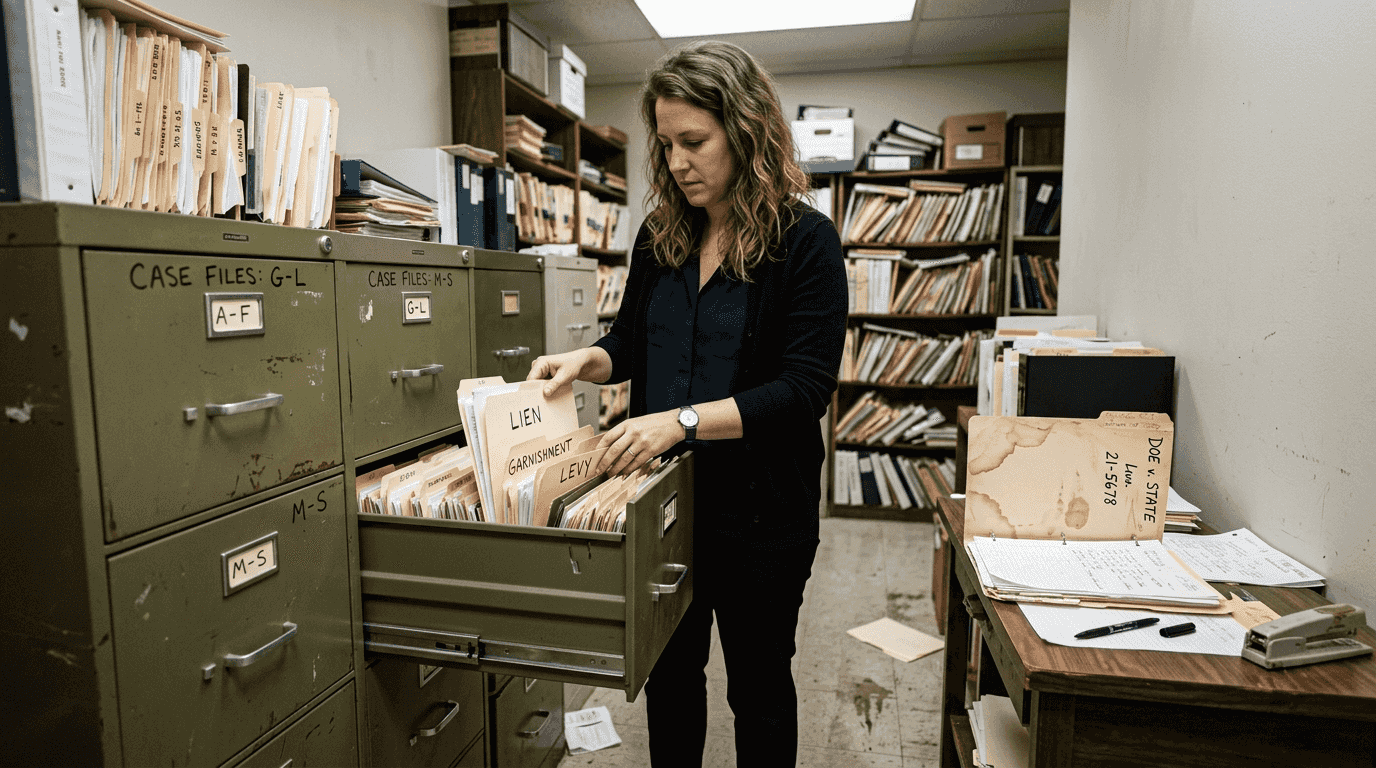
Liens create legal claims against debtor property. Recording a judgment lien with the county clerk attaches the debt to any real estate the debtor owns in that jurisdiction. When the debtor sells or refinances the property, your lien must be satisfied from the proceeds. In Florida, judgment collection tools include liens, garnishments, and executions, with liens lasting 10 years and renewable for additional periods. Personal property liens work similarly for vehicles, equipment, and other tangible assets.
Wage garnishment intercepts employment income before the debtor receives it. Federal law allows creditors to capture 25% of disposable earnings per pay period until satisfied. Employers withhold the specified amount and send it directly to you. Wage garnishment is highly effective when the debtor has stable employment. Self-employed debtors and cash-paid workers present challenges since garnishment requires an employer relationship.
Bank levies freeze and seize funds in debtor bank accounts. After obtaining a writ of execution, the sheriff or marshal serves the levy on the financial institution. The bank freezes the account and remits available funds to satisfy the judgment. Timing matters because accounts with temporary balances may yield little.
Execution allows seizure and sale of non-exempt personal property. This process works for vehicles, jewelry, electronics, and business assets. The sheriff conducts the seizure and public sale, with proceeds applied to your judgment.
| Collection Method | Best For | Limitations | Timeline |
|---|---|---|---|
| Property Liens | Debtors who own real estate | Only paid when property sells | Months to years |
| Wage Garnishment | Employed debtors with regular paychecks | 25% limit per pay period | Weeks to months |
| Bank Levies | Debtors with known bank accounts | One-time seizure of current balance | Days to weeks |
| Asset Execution | Debtors with valuable personal property | Must locate and value assets | Weeks to months |
Pro Tip: Match your collection method to the debtor’s situation. Employed debtors respond well to garnishment, while property owners make better lien candidates. Review judgment collection tools overview for detailed comparisons.
Strategies to Maximize Judgment Recovery Success
Effective collection requires more than knowing which tools exist. Strategic application determines whether you recover 10% or 80% of your judgment. Here are key strategies to optimize your recovery:
Treat enforcement as a phased project with clear milestones. Structured judgment collection plans improve recovery odds and reduce risk. Break the process into manageable steps:
- Conduct comprehensive post-judgment discovery within 30 days of the judgment.
- Analyze findings to identify the most valuable assets and income sources.
- Select appropriate collection methods based on asset types and exemptions.
- File enforcement paperwork with complete documentation and proper service.
- Monitor progress and adjust tactics as debtor circumstances change.
- Renew liens and garnishments before expiration to maintain priority.
Enforcement starts with effective post-judgment discovery regarding debtor finances. Skip this step, and you are guessing. Interrogatories require debtors to disclose assets under oath. Subpoenas compel third parties like banks and employers to provide account and employment details. Information orders bring debtors to court for examination about their financial situation.
Maintain courteous, factual communications throughout the collection process. Hostile or threatening language violates debt collection laws and damages your credibility with courts. Professional filings and communications earn quicker processing and fewer continuances. Judges notice creditors who follow procedures correctly and treat debtors respectfully within legal boundaries.
Legal professionals streamline the professional judgment collection process by handling complex filings, avoiding procedural errors, and navigating state-specific requirements. Attorneys familiar with local court rules prevent the costly mistakes that derail self-representation efforts. Professional legal filing guidance becomes especially valuable for judgments exceeding $10,000 or involving business debtors.
Pro Tip: Document every collection action with dates, methods, and results. This record proves due diligence if you later need to renew the judgment or defend your enforcement efforts. It also helps you identify which strategies work best for future judgments.
Navigating Legal Protections and Judgment Collection Limits
Debtor protections create boundaries around collection activities. Understanding these limits prevents wasted effort on exempt assets and keeps you compliant with consumer protection laws.
Federal and state exemptions shield certain income sources and property from collection. Florida garnishment exemptions include head-of-household wages, Social Security, and retirement income. These protections exist to ensure debtors can meet basic living needs despite outstanding judgments.
Common protected income sources include:
- Social Security retirement and disability benefits.
- Veterans benefits and military pay.
- Unemployment compensation.
- Workers’ compensation payments.
- Most pension and retirement account funds.
- Child support and alimony received.
| Income Type | Generally Garnishable | Protected/Exempt |
|---|---|---|
| Regular wages | Yes (up to 25%) | Head-of-household wages in some states. |
| Bank account funds | Yes | Funds traceable to exempt sources. |
| Social Security | No | Fully protected. |
| Retirement accounts | Limited | IRA and 401(k) largely protected. |
| Business income | Yes | Professional tools may be exempt. |
Exemptions affect collection method selection and success rates. Garnishing wages works for standard employees but fails against head-of-household debtors in Florida. Bank levies succeed unless the debtor proves funds came from protected sources. Verify debtor protections through discovery before filing enforcement paperwork.
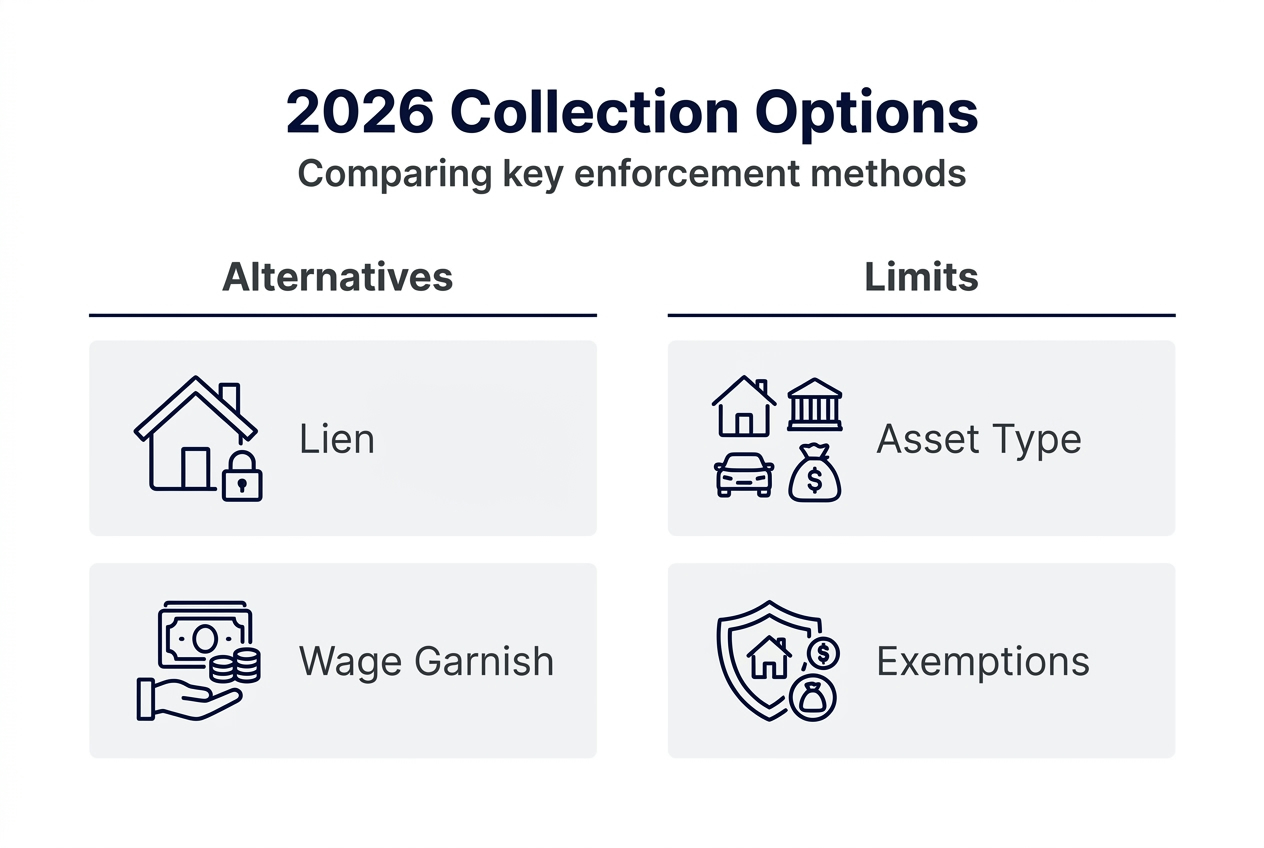
Overstepping garnishment limits creates legal liability. Taking more than 25% of disposable earnings or garnishing exempt income violates federal law. Courts penalize creditors who ignore exemptions, potentially awarding damages to debtors. Review legal limits on garnishment before proceeding with wage attachments.
Homestead exemptions protect primary residences from judgment liens in some states. Florida’s unlimited homestead protection makes real property liens ineffective against primary homes, though they still attach to investment properties and second homes.
How Great Lakes Strategic Capital Supports Judgment Creditors
Collection challenges do not mean your judgment lacks value. Great Lakes Strategic Capital specializes in helping creditors convert uncollected court awards into immediate financial recovery.
Our judgment selling service provides upfront cash payment for eligible non-commercial civil judgments. Instead of spending months or years pursuing enforcement, you receive immediate funds and transfer collection responsibility to us. This alternative suits creditors who need liquidity now or want to avoid the uncertainty and expense of self-collection.

We evaluate each judgment based on debtor asset profiles, enforcement history, and recovery probability. Our nationwide purchasing program works with individual claimants, landlords, contractors, and attorneys nationwide. Review our judgment collection alternatives overview to understand how selling compares to traditional enforcement methods.
The judgment enforcement process becomes simpler with professional support. Whether you choose to sell your judgment or pursue collection with expert guidance, our team helps you make informed decisions based on your specific situation and financial goals.
FAQ
What Happens If a Debtor Hides Assets After Judgment?
Post-judgment discovery tools compel asset disclosure through interrogatories, subpoenas, and court examinations. Debtors who refuse to cooperate may face contempt charges. Thorough investigations often uncover hidden bank accounts, real estate, and business interests that enable successful collection.
Can Judgment Collection Methods Vary by State?
Yes, state laws define available collection tools, lien durations, and exemption protections. Florida allows 10-year liens and limits wage garnishment for head-of-household debtors. California provides different lien terms and exemption amounts. Always research your state’s specific rules before filing enforcement actions.
Is It Worth Selling a Judgment Instead of Pursuing Collection?
Selling provides immediate cash but typically at a discount from face value. Self-collection can yield full judgment amounts plus interest but requires time, effort, and upfront costs with uncertain outcomes. Consider our selling judgments service if you need funds now or want to avoid collection risks. Selling works best when debtors have limited assets or when you lack resources for prolonged enforcement.
How Long Do I Have to Enforce a Judgment?
Most states allow 10 to 20 years for judgment enforcement, with renewal options extending this period. Statutes of limitations vary by jurisdiction. Florida judgments last 20 years and can be renewed for additional periods. Act quickly because debtor assets and employment situations change over time, reducing recovery chances.
What Happens If the Debtor Files Bankruptcy After I Obtain a Judgment?
Bankruptcy triggers an automatic stay that halts most collection activities immediately. Chapter 7 bankruptcy may discharge your judgment entirely, leaving you with no recovery. Chapter 13 reorganization plans may pay partial amounts over three to five years. File objections if fraud or willful injury formed the basis of your judgment, as these debts survive bankruptcy discharge.
Recommended
Weighing your options? Compare enforcing a judgment yourself versus selling it for cash.

Wayne S. Bisard
Wayne S. Bisard is the owner of Great Lakes Strategic Capital, a U.S. Marine Corps veteran with 31+ years of investigative experience, and President of the Michigan Council of Professional Investigators.
More about WayneSee what your judgment is worth — free evaluation
No upfront fees. No collection hassle. Get a cash offer instead of waiting years.


